Why Condo Bathroom Renovations in Toronto Are More Complex Than Houses
Renovating a bathroom in a Toronto condo is a completely different experience from renovating one in a standalone house. Condos come with strict building rules, shared plumbing systems, and limited space that create unique challenges. Understanding these differences is critical if you want a smooth renovation process, avoid fines, and maximize your bathroom’s style, function, and resale value.
Thinking about a condo bathroom renovation in Toronto? Contact our experts at ATM Renovations Corp. today to get started with a tailored plan that fits your space, lifestyle, and budget!
Understanding the Unique Challenges of Toronto Condo Bathroom Renovations
Condo bathroom renovations in Toronto require more careful planning than house bathrooms due to multiple constraints. Shared walls, municipal building codes, and community rules all play a role. Here’s what makes condo projects more complex:
Strict Condo Board Rules & Permits
Structural Boundaries & Shared Building Systems
Limited Space & Design Limitations
Scheduling, Logistics, and Worksite Coordination
Insurance, Deposits, and Compliance Requirements
Budgeting, Contingency, and Resale Value Considerations
By addressing these factors before starting, you can avoid delays, fines, and costly mistakes.
Condo Board Rules and Permits in Toronto
Unlike houses, Toronto condos operate under strict governance by condo boards. These rules protect shared areas and ensure safety, but they also make bathroom renovations more complex.
Review Your Condo Renovation Handbook
Most condo boards provide a detailed renovation handbook outlining permitted upgrades and restrictions. It typically covers:
Allowed renovations (e.g., cosmetic changes vs. plumbing adjustments)
Necessary approvals for any structural or electrical work
Required documentation, including contractor licenses and insurance
Following these guidelines helps ensure your project doesn’t face delays or rejection.
Submit a Detailed Renovation Application
A condo renovation application generally includes:
Drawings or layout sketches
Contractor credentials and insurance proof
Material lists and delivery plans
Project timeline
Many boards also require a security deposit to cover potential damage in common areas like elevators or hallways.
Secure Permits Before Starting Work
Even with board approval, city permits may be required for certain upgrades:
Plumbing Permits: Needed if moving sinks, toilets, or showers.
Electrical Permits: Required for new outlets or rewiring.
Building Permits: Sometimes necessary for structural changes.
Failing to secure permits can lead to fines or costly project interruptions.
Follow Noise and Work Hour Restrictions
Toronto condo boards usually limit noisy renovations to weekdays between 9 a.m. and 5 p.m. Booking elevators in advance, using protective coverings for hallways, and adhering to work hour limits is essential to maintain harmony with neighbors.
Pro Tip: Keep copies of all approvals, permits, and correspondence. This documentation is invaluable if issues arise or if you plan to sell your condo in Toronto later.
Structural Boundaries and Shared Building Systems in Toronto Condos
Unlike houses, condos share walls, floors, and utility systems with other units. Renovation decisions must respect these structural limitations.
Identify Load-Bearing Walls
Some walls in your condo may be load-bearing and cannot be removed. Modifying these walls requires professional assessment and board approval.
Understand Plumbing Stack Restrictions
Most condo bathrooms are connected to a vertical plumbing stack. Moving fixtures too far from this stack may be impossible or require costly modifications. Contractors familiar with condo renovations can suggest creative solutions without relocating plumbing extensively.
Electrical and Ventilation Considerations
Condo bathrooms often have preset electrical wiring and centralized ventilation. Modifications usually require licensed electricians and may need board approval. Ground Fault Circuit Interrupter (GFCI) outlets are mandatory near water sources for safety.
Flooring, Ceiling, and Fire Safety Limitations
Condo boards may restrict flooring materials and ceiling modifications to avoid added weight or interference with sprinklers. Any adjustments to fire safety systems must be approved by professionals to remain compliant.
Scheduling, Logistics, and Worksite Coordination
Condo renovations require careful coordination to prevent disruptions.
Review Work Hours and Schedule Deliveries
Schedule noisy tasks during permitted hours and plan material deliveries according to building restrictions. Booking service elevators in advance is often mandatory.
Coordinate Waste Disposal
Debris from demolition cannot be disposed of in standard building trash areas. Pre-arranged bins or licensed disposal services are required.
Manage Contractors Effectively
Multiple trades—plumbers, electricians, tilers, painters—need careful scheduling. A phased approach ensures each team completes its work efficiently without conflicts.
Communicate with Neighbors and Management
Regular updates for neighbors and condo management help reduce complaints and maintain goodwill. Establish a clear timeline and contingency buffers to account for unexpected delays.
Insurance, Deposits, and Compliance
Skipping insurance and compliance steps can halt your project or lead to financial liability.
Contractor Insurance Coverage
Your contractor should have general liability and workers’ compensation coverage. Some boards require proof before approving renovations.
Security Deposits
Deposits, typically $500–$2,000, cover potential damage to shared areas. They are usually refundable if no damage occurs.
Compliance with Toronto Building Codes
Beyond condo rules, renovations must comply with Toronto building codes, including proper electrical work, plumbing modifications, and structural changes.
Protect Your Unit and Neighbors
Install dust barriers, protective coverings, and follow approved work schedules. These measures reduce risk and keep condo management satisfied.
Space Constraints and Design Solutions
Condo bathrooms are often small, so maximizing space is crucial.
Assess the Existing Layout
Evaluate plumbing and electrical locations, floor space, and oversized fixtures to plan effective design adjustments.
Optimize Vertical Storage
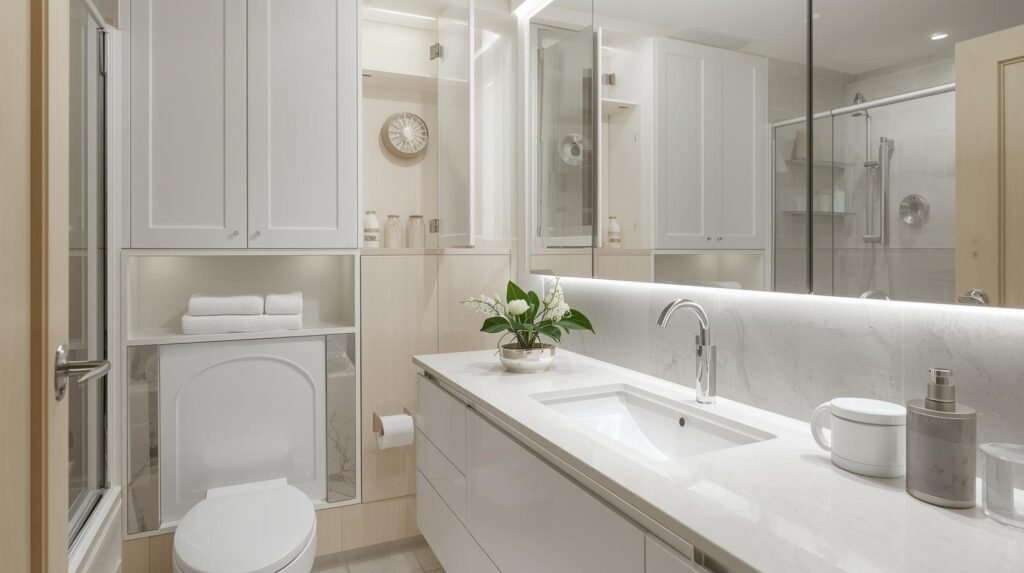
Install tall cabinets, floating shelves, recessed niches, or mirrored medicine cabinets to keep clutter off countertops.
Choose Space-Efficient Fixtures
Wall-mounted vanities, compact toilets, corner sinks, and walk-in showers help make small bathrooms functional and stylish.
Incorporate Multi-Functional Features
Vanities with built-in organizers, sliding doors, or integrated mirrors enhance usability without occupying extra space.
Use Light, Color, and Materials to Expand Space
Neutral paint and large mirrors create an open feel.
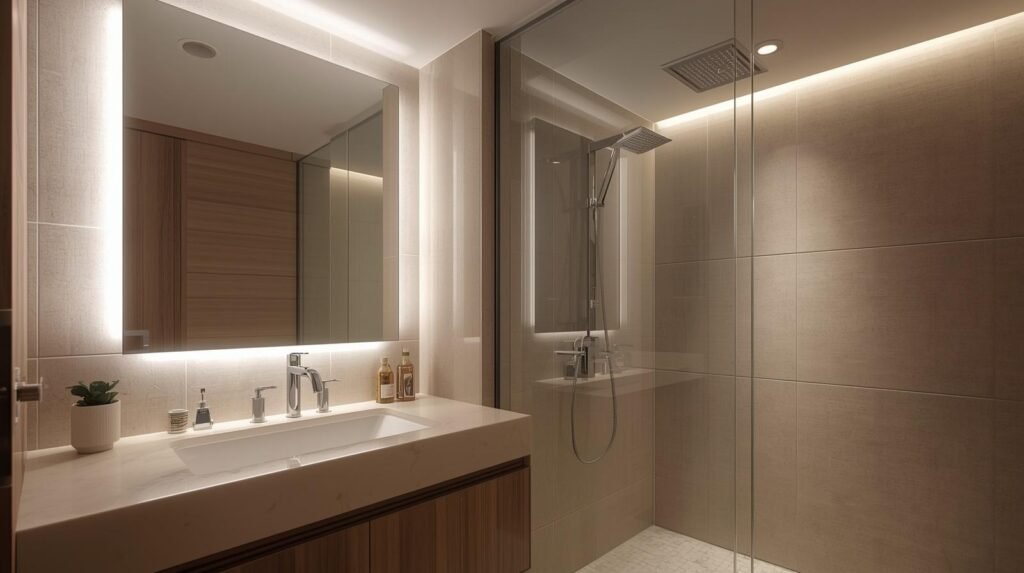
LED strip lighting brightens dark corners.
Large-format tiles with glossy finishes enhance visual continuity.
Work With a Condo Renovation Specialist
Experienced contractors understand building restrictions and maximize space efficiency while keeping projects compliant and stylish.
Budgeting, Contingency, and Resale Value
Renovations in condos require extra budgeting considerations beyond material and labor costs.
Define Your Budget Early
Toronto condo bathroom renovations typically cost $10,000–$25,000, depending on scope, fixtures, and contractor expertise.
Factor in Condo-Related Costs
Condo board deposits
Elevator booking fees
Insurance for contractors
Permit fees
Allocate Funds for Quality Materials
Invest in durable, moisture-resistant tiles, efficient fixtures, and long-lasting finishes for long-term savings.
Build a Contingency Fund
Set aside 10–15% of the budget for unexpected repairs, extra labor, or delays.
Prioritize Must-Haves vs. Nice-to-Haves
Separate essential upgrades (ventilation, waterproofing) from luxury extras (heated floors, smart mirrors) to stay on budget.
Evaluate Long-Term Value
Energy-efficient fixtures, LED lighting, and durable materials save money and increase resale potential.
Work With Condo-Savvy Contractors
Hiring experts ensures realistic budgeting, compliance with board rules, and smooth project management.
Interactive Tools and Project Planners
Digital planning tools help you manage every step of your renovation.
Renovation Checklists
Keep track of:
Condo board approvals
Permits and insurance
Fixture measurements
Design goals
Budgeting Spreadsheets and Apps
Track costs for materials, labor, and condo-specific fees in real time.
Design Mood Boards
Use platforms like Canva or Pinterest to visualize layouts, colors, and materials.
Project Timeline Tools
Apps like Trello or Asana help schedule work phases, track approvals, and avoid delays.
3D Design and AR Tools
Visualize layouts, space-saving options, and lighting effects before construction begins.
Documentation Tracking
Upload and monitor approvals, receipts, and permit copies in one place to simplify management.
Smart Design and Modern Condo Solutions
Modern condo bathrooms are not just functional—they can be luxurious and tech-friendly.
Space-Saving Layouts
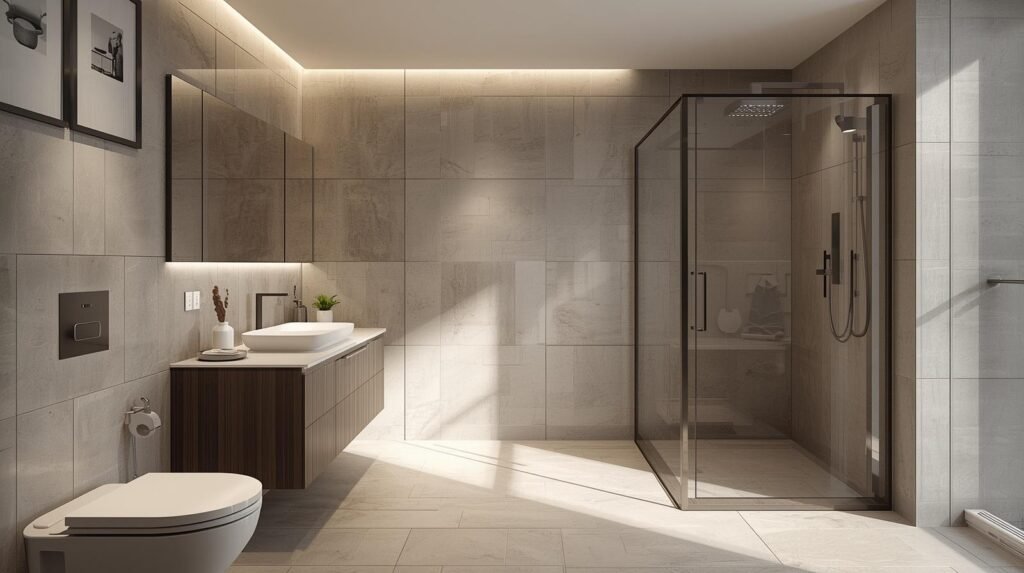
Floating vanities, glass showers, and wall-mounted toilets maximize space and improve flow.
Smart Technology Integration
Bluetooth mirrors, sensor lighting, and app-controlled ventilation improve convenience while complying with condo electrical limitations.
Noise Reduction and Minimal Disruption
Quiet machinery, dust suppression, and effective scheduling minimize disturbance to neighbors.
Accessible Design
Barrier-free showers, comfort-height toilets, grab bars, and adjustable lighting ensure inclusive functionality for all residents.
Premium Materials Compatibility
High-quality, moisture-resistant tiles, countertops, and smart-compatible fixtures balance luxury and durability.
End-to-End Project Management
From design and approvals to installation and post-renovation training, a single point of contact ensures seamless execution.
FAQs About Condo Bathroom Renovations
Do I need condo board approval?
Yes. Most boards require detailed renovation plans before starting work.
Can I move plumbing fixtures?
Relocating toilets, sinks, or showers is limited by plumbing stack locations. Consult a licensed contractor.
How long does a renovation take?
Typically 2–6 weeks, depending on scope, materials, and board approvals.
Condo bathroom renovations in Toronto are more complex than house projects due to board rules, shared systems, space limitations, and extra planning requirements. However, with careful budgeting, smart design, and experienced contractors, these challenges can be managed efficiently.
Ready to transform your condo bathroom into a functional, stylish, and compliant space? Contact ATM Renovations Corp. today to schedule a consultation and start planning your renovation!
For more tips on smart home renovations, check out our Toronto Kitchen Renovation Guide and learn about other home remodeling services we offer. By leveraging professional expertise, interactive planning tools, and modern design solutions, your condo bathroom can be a luxurious retreat while respecting all building requirements.