Not every renovation adds value at the same level. Some upgrades make your home more enjoyable, while others improve resale, buyer appeal, and long-term usefulness at the same time. In Toronto, where renovation costs are high and buyer expectations are even higher, choosing the right projects matters.
The smartest renovation strategy is not doing everything at once. It is identifying the projects that improve function, modernize the home, and make the property more attractive to future buyers. In most Toronto homes, that means putting your money into the spaces people use every day, solving layout problems, and avoiding overly personal upgrades that are hard to recover at resale.
Below are the renovation investments that usually deliver the strongest return, along with the common mistakes that reduce ROI and the planning strategies that help homeowners spend more wisely.
Why ROI Matters in Toronto
Renovating in Toronto is expensive enough that every major decision should have a purpose. Are you planning to sell in the next few years? Do you want a better layout for your family now while still protecting resale later? Are you trying to create more usable square footage without moving?
High-ROI renovations usually have four things in common: they improve daily function, they appeal to a wide range of buyers, they fit the value of the neighbourhood, and they fix visible pain points instead of adding unnecessary luxury. Buyers notice kitchens, bathrooms, finished lower levels, storage, natural light, curb appeal, and energy efficiency much faster than they notice expensive custom details.
Kitchens and Bathrooms Usually Lead the List
Kitchens and bathrooms consistently deliver strong returns because they influence both lifestyle and resale. Buyers pay close attention to these spaces because they are costly to redo and easy to judge. A dated kitchen or tired bathroom can make the whole home feel older, even when other areas are in decent shape.
Kitchen upgrades that hold value
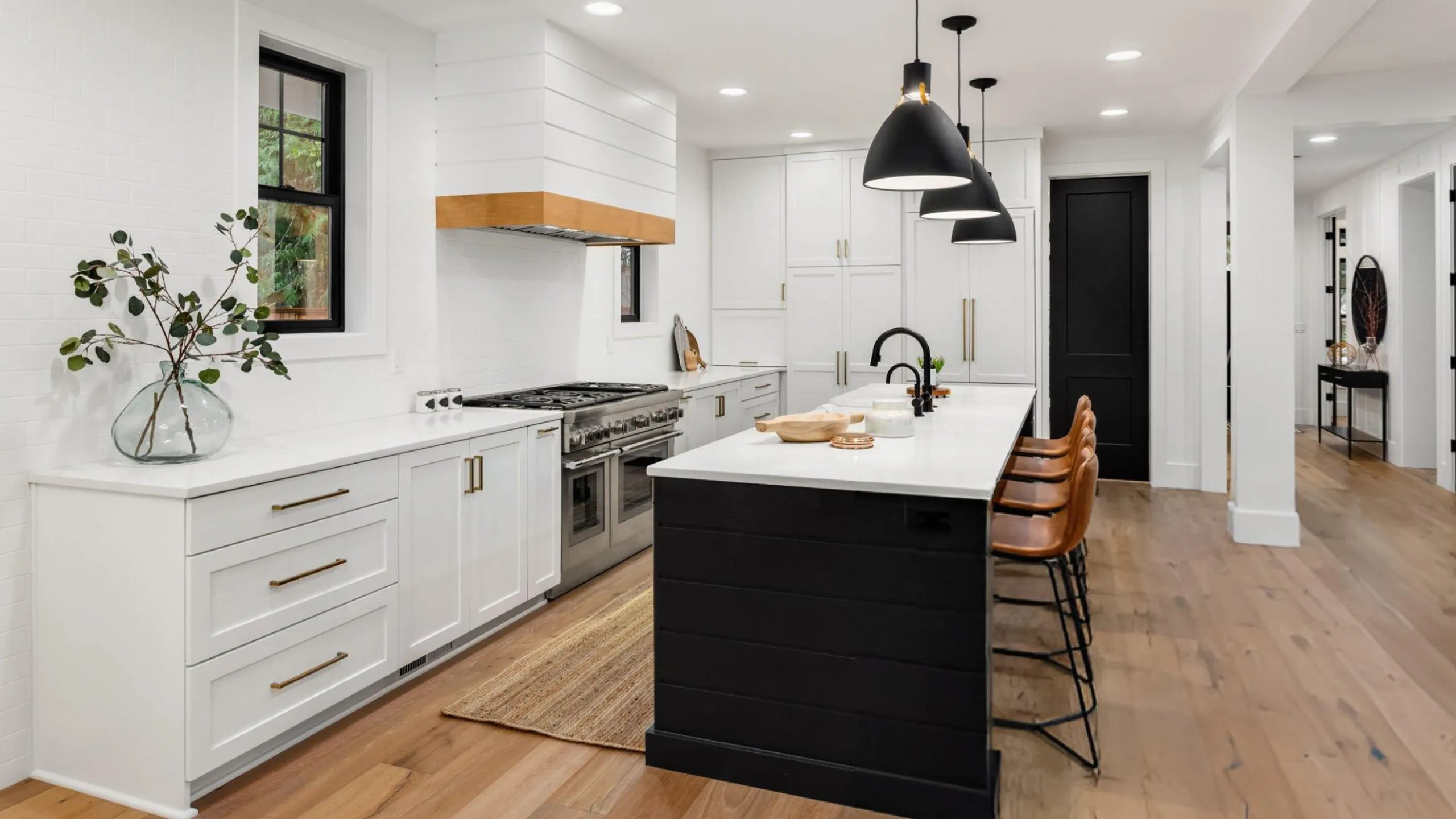
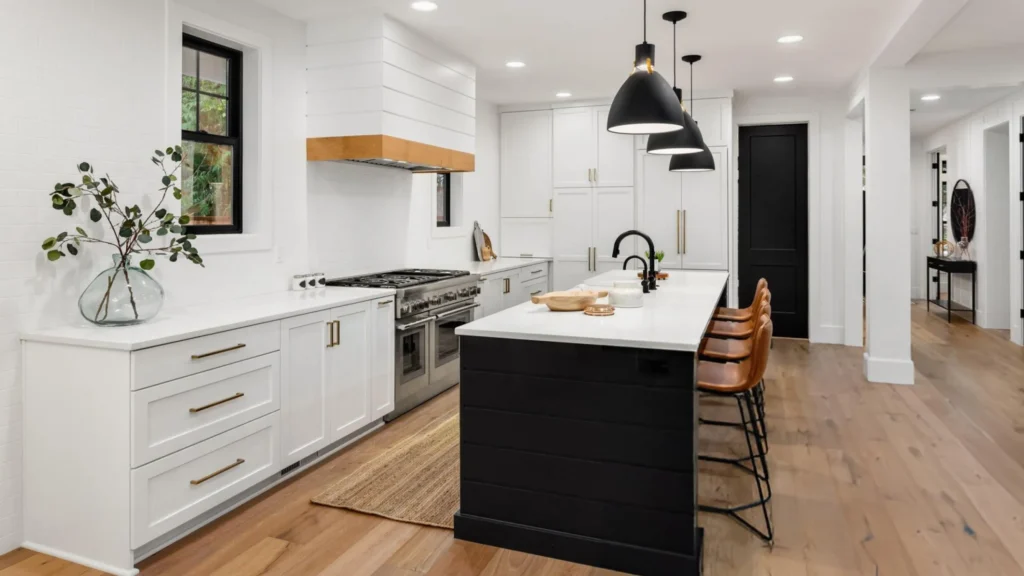
The best kitchen ROI usually comes from practical improvements rather than over-the-top luxury. Better storage, stronger lighting, easy-to-clean surfaces, and a more efficient layout often outperform trend-driven upgrades. If you are planning around a compact footprint, this small kitchen plan is useful for setting realistic expectations. For homeowners ready to price the work, a kitchen estimate helps define scope early.
In kitchens, buyers respond well to durable counters, quality cabinetry, better workflow, integrated storage, and finishes that feel current without being too personal. Guidance from NKBA standards also reinforces how good planning around clearances, workflow, and usability improves both function and design.
Bathroom upgrades with broad appeal
Bathrooms perform best when they feel clean, bright, and easy to maintain. That does not always mean a full gut renovation. Sometimes the strongest value comes from replacing weak layouts, poor lighting, worn tile, and outdated fixtures with something timeless and practical. If you are deciding between bathing options, compare shower vs tub before locking in the design. Condo owners should also review condo bath limits because plumbing, access, and building rules can affect cost and scope.
Finished Basements Add Flexible Value
In a city where space is expensive, a finished basement can deliver strong ROI because it increases usable living area without changing the footprint of the house. That extra space can serve as a family room, guest area, home office, gym, teen zone, or storage hub. For some homeowners, it can also support a future income strategy if the layout and approvals are handled properly.
The highest return usually comes from making the basement feel like real living space rather than an afterthought. That means good lighting, moisture control, durable finishes, proper ceiling planning, and a layout that gives the area a clear purpose. If a basement project is part of your value plan, getting a basement quote early can help you compare whether a rec room, office, or more complete lower-level remodel makes the most sense.
In Toronto, basement ROI improves even more when the renovation solves a real problem, such as lack of living space, poor storage, or the need for a quiet work-from-home zone.
Exterior and Energy Upgrades Build Quiet Value
Not every high-return renovation is flashy. Some of the most reliable value comes from upgrades that improve comfort, efficiency, and first impressions. New windows and doors, cleaner exterior finishes, better drainage, improved siding details, and fresh entry features all help a home look more cared for.
Energy-related improvements are especially useful because they support comfort while lowering the chances that buyers see the home as drafty or outdated. According to ENERGY STAR guidance, sealing air leaks and improving insulation can make homes more comfortable and energy efficient. In Toronto, that matters because buyers notice cold rooms, weak windows, and inconsistent temperatures quickly.
These upgrades may not create the same visual impact as a new kitchen, but they strengthen the overall impression of quality and reduce concerns about future maintenance.
What Buyers Notice Fastest
Homeowners sometimes focus on the wrong details when thinking about ROI. Buyers usually notice the basics first: how the home flows, whether it feels bright and well maintained, how much storage is available, and whether the most important rooms look ready to use without major work.
- Functional kitchen layout and storage
- Clean, updated bathrooms
- Consistent flooring and fresh paint
- Finished lower-level space
- Good lighting and better natural light
- Strong first impression from the exterior
Projects tied to these priorities are usually safer investments than highly personalized upgrades that only appeal to a narrow type of buyer.
Renovations That Often Underperform
Not every expensive renovation brings a good return. Some projects are worth doing for lifestyle reasons, but they should not be treated as value-maximizing investments.
- Over-customized designs that reduce broad appeal
- Luxury finishes that exceed neighbourhood expectations
- Eliminating useful features for short-term trends
- Cheap materials in high-traffic areas
- Ignoring hidden issues while spending only on cosmetics
One of the biggest ROI mistakes is putting too much money into one showpiece room while leaving the rest of the home behind. A balanced renovation plan usually performs better than a single oversized upgrade.
How to Plan for Better ROI
Strong renovation returns are usually created before demolition begins. You need a clear scope, a realistic budget, and a plan that matches the property type, neighbourhood, and timeline. It also helps to define whether your goal is resale, long-term living, or a mix of both.
If you are comparing options, structured planning guides can help homeowners evaluate feasibility before hiring professionals. A simple rule also applies in nearly every Toronto project: solve function first, then spend on finish upgrades once the layout, storage, lighting, and condition issues are addressed.
Before committing to a large renovation, ask whether the project improves usability, fits the home, and supports future market appeal. If the answer is yes, you are more likely to protect your budget and create real value.
Frequently Asked Questions
What renovation adds the most value in Toronto?
Kitchens, bathrooms, and finished basements usually deliver some of the strongest returns because they directly affect daily use and buyer appeal.
Is a basement renovation worth it?
In many Toronto homes, yes. A finished basement adds flexible living space and can solve storage, office, and family needs without changing the home’s footprint.
Are energy upgrades good for ROI?
They can be. Buyers value homes that feel comfortable, efficient, and well maintained, especially when windows, insulation, and air sealing are part of the upgrade plan.
Should I choose a full remodel or selective upgrades?
That depends on the condition of the home. Selective upgrades often deliver better ROI when the layout is workable and the main pain points are limited to kitchens, bathrooms, finishes, or lower-level space.
What hurts renovation ROI the most?
Overspending on custom luxury, using poor-quality materials, and ignoring the overall balance of the home are some of the most common ways homeowners reduce return.
The best renovation investments in Toronto are the ones that improve function, presentation, and long-term usability at the same time. Kitchens, bathrooms, basements, energy upgrades, and strong first impressions usually outperform trend-heavy projects that cost more than they return.
If you want to renovate with resale in mind, focus on the rooms buyers judge first, keep the design practical, and make every dollar work toward visible, durable improvement.